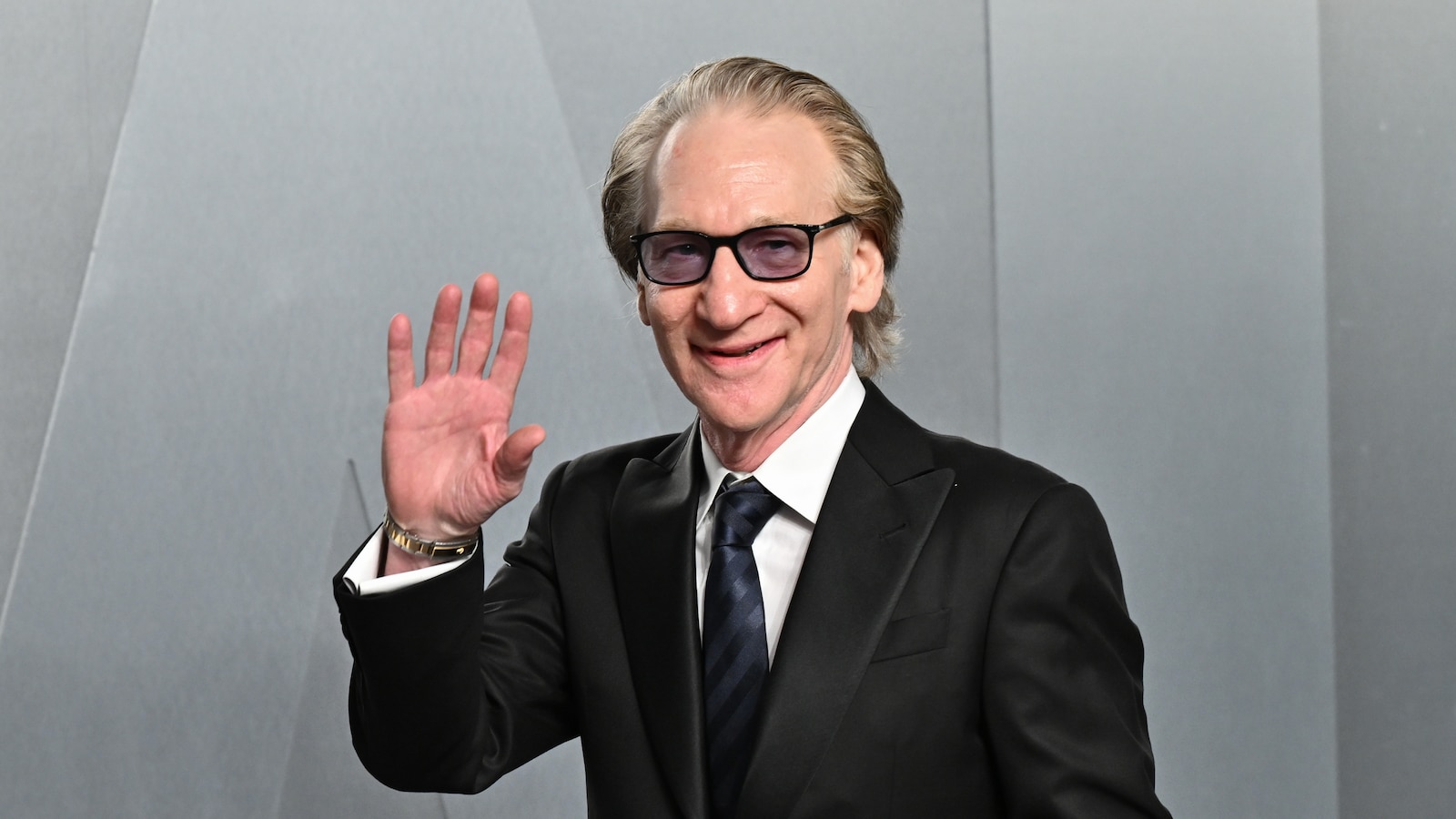
NEW YORK — NEW YORK (AP) — John Mellencamp, Jay Leno and Whitney Cummings will be among the guest speakers when Bill Maher receives the Mark Twain Award for American Humor during a June 28 ceremony at the Kennedy Center.
The center disclosed the list Monday in an email sent to members, who were offered packages ranging from $99 for a seat reservation to $1,500 and more for seating and admission to pre- and post-show receptions. The announcement also marks a notable change in how the center is identifying itself: The news came from the Kennedy Center, not the “Trump Kennedy Center,” a switch that also appears on the center’s home page.
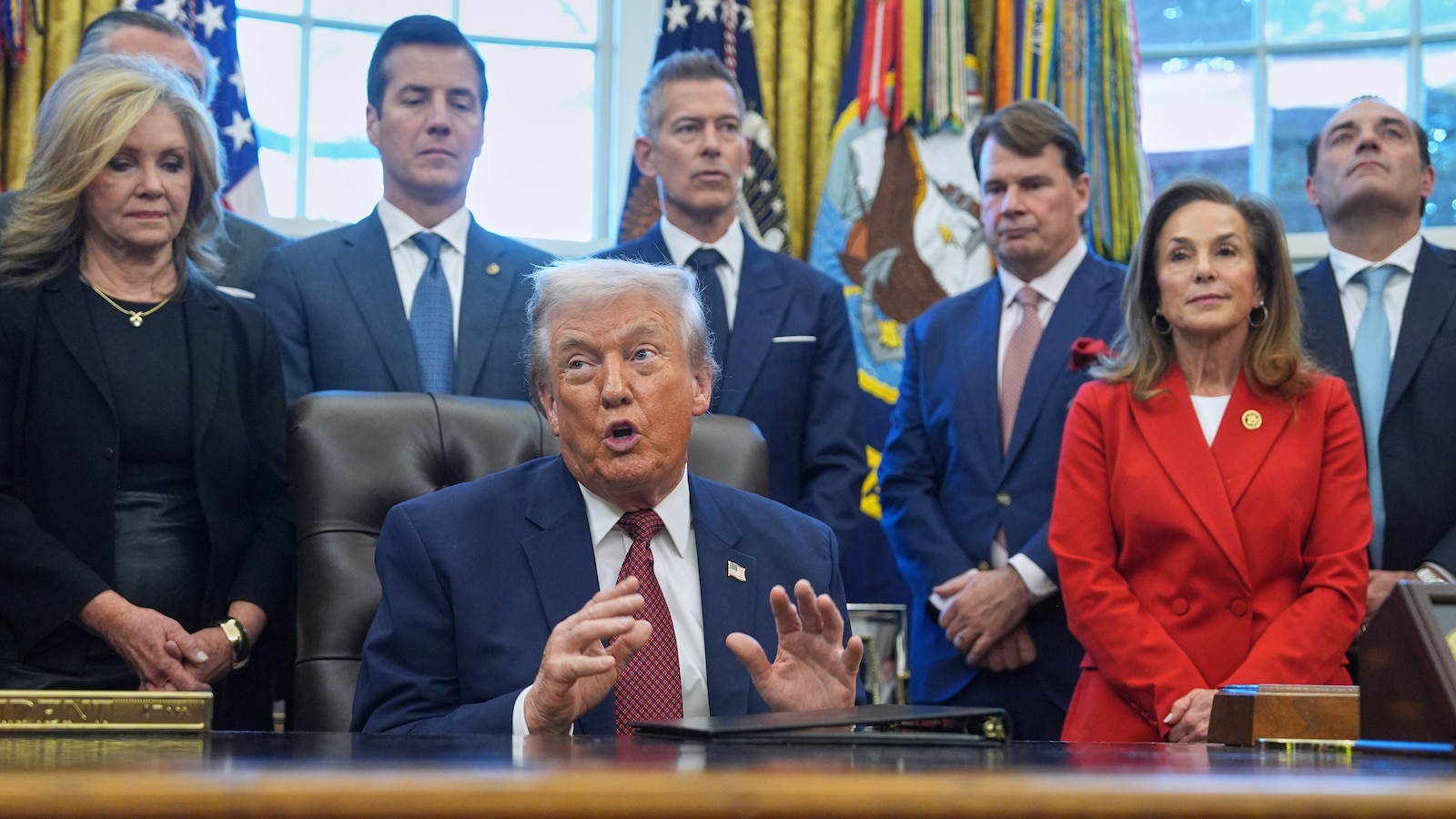
Last month, a federal judge ruled that President Donald Trump’s handpicked board of trustees had acted illegally when they voted to add Trump’s name to the venue, which Congress in 1964 named for the recently assassinated President John F. Kennedy.
“The Kennedy Center’s organic statute makes crystal clear that the Center is to be named for President Kennedy, and it cannot bear any other formal name or public memorial based on the Board’s unilateral say-so. Congress gave the Kennedy Center its name, and only Congress can change it,” wrote U.S. District Judge Christopher Cooper.
Although a Kennedy spokesperson suggested the venue might appeal the decision, the center received an email last week from its general counsel that laid out steps for cooperation, including the removal of Trump’s name. After mostly ignoring the Kennedy Center during his first term, Trump soon made the center a key part of his overall mission to purge federal cultural institutions of so-called “woke” influences. He ousted the leadership, filled the board of trustees with supporters and presided over such signature events as the Kennedy Honors ceremony.
In response, numerous performers cancelled planned appearances at the center, including Issa Rae, Bela Fleck and Renée Fleming.
Maher is the 27th recipient of the Twain Award, which has previously been given to Leno, Steve Martin and Tina Fey among others. Trump and Maher have publicly feuded in recent years, but the HBO host is otherwise the kind of comedian that many Republicans have found palatable — a self-styled independent who regularly attacks Hollywood as “woke” and has interviewed everyone from liberal stalwarts like Jane Fonda to conservative commentators like Ben Shapiro and Charlie Kirk to such “cancelled” cultural figures as Woody Allen.
Other guests expected at the Twain ceremony include the comedian Louis C.K., who has been touring regularly since allegations of sexual misconduct briefly upended his career after they were reported in 2017, and the controversial ESPN personality Stephen A. Smith, whose blunt comments on sports and beyond have led to fierce exchanges with NBA star Jaylen Brown and commentator Keith Olbermann among others.